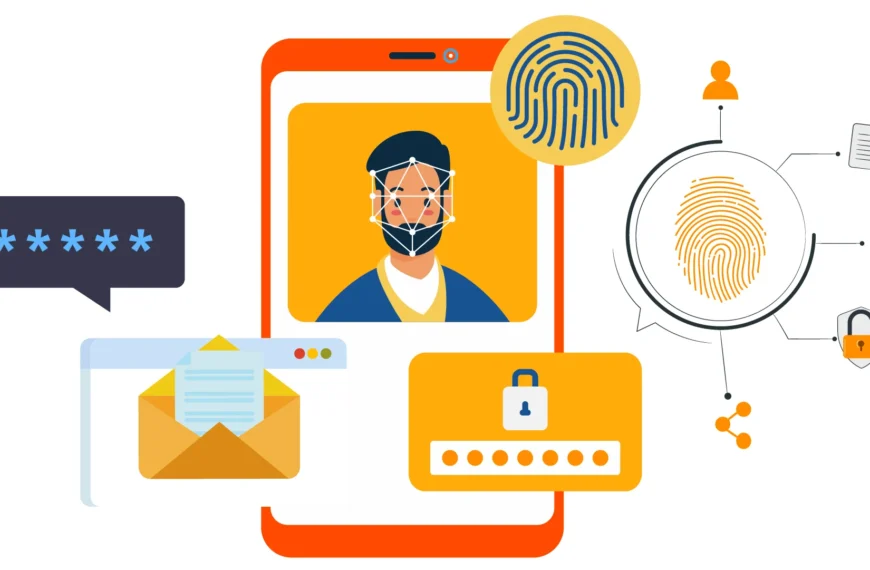
The Secure Access Control Report integrates policy-driven controls with data signals to govern who may access systems, resources, and environments. It emphasizes least-privilege provisioning, MFA, continuous risk assessments, and defensible governance. The document analyzes anomaly indicators, credential-stuffing cues, and centralized logging to support rapid, adaptive defenses. It frames auditable verification and scalable enforcement as core outcomes, while balancing security with operational agility. A critical question remains: how will organizations implement these signals within real-world, evolving risk landscapes?
What Is Secure Access Control and Why It Matters
Secure access control defines the mechanisms and policies that determine who may enter a system, resource, or environment and under what conditions. It aligns permissions with roles, reduces exposure, and supports continuous monitoring. In practice, secure access enables appropriate user verification, auditability, and scalable enforcement. It integrates risk management considerations, prioritizing vulnerabilities, and ensuring responsive adjustments to evolving threats and organizational needs.
Key Signals From the 2405586642, 2518421488, 5095810139, 9093246726, 7372951758 Data
The analysis of the signals from the five data sources—2405586642, 2518421488, 5095810139, 9093246726, and 7372951758—provides a structured view of access activity patterns and risk indicators.
The signals reveal concentrated login attempts, shifting geographic hotspots, and timing irregularities.
Anomaly detection and credential stuffing cues emerge, guiding proactive defenses while preserving freedom to operate securely.
Practical Steps to Tighten Authentication, Authorization, and Auditing
How can organizations rapidly reduce exposure by tightening authentication, authorization, and auditing? A disciplined approach emphasizes baseline access reviews, multi-factor authentication, and least-privilege provisioning. Centralized logging, alerting, and automated anomaly detection strengthen security governance. Regular risk assessment informs policy updates, controls, and training. Transparent role definitions and continuous auditing ensure accountability, resilience, and adaptive protection without compromising operational freedom.
Choosing a Defensible Access-Control Approach for Risk and Compliance
Determining a defensible access-control strategy requires a structured balance between risk posture and regulatory expectations, ensuring that protection mechanisms align with business objectives and operating realities. The approach emphasizes defensible access by tailoring controls to data sensitivity and user roles while preserving agility. It integrates governance, risk compliance, auditability, and continuous improvement, promoting transparent accountability and resilient access throughout dynamic environments.
Frequently Asked Questions
How Often Should Access Control Reviews Be Performed?
The review cadence should be quarterly, with annual comprehensive re-evaluations. Access review frequency is recommended to align with risk, changes, and user lifecycle. Proactive governance enables timely entitlement adjustments and continuous security posture improvement.
What Are Common Misconfigurations in MFA Setups?
Common MFA misconfig pitfalls include weak token backup, lack of enforcement for multi-factor diversity, and neglected reauthentication. Default credential risks persist when administrative accounts rely on shared or easily guessable credentials, undermining layered authentication and access governance.
How Do You Measure the ROI of Access Control Programs?
The ROI of access control programs hinges on measurable reductions in incidents and faster remediation, with a 15% average drop in security events. It emphasizes measuring ROI through access control metrics, policy vs implementation gaps, and review cadence.
What Gaps Exist Between Policy and Implementation?
Gaps implementation exist where policy vs implementation diverge, revealing misalignments between designed controls and operational practices. The analysis highlights accountability gaps, ambiguous ownership, and inconsistent enforcement, prompting targeted remediation to align policy with practical, proactive execution.
How Do You Handle Legacy System Integrations Securely?
Legacy integration requires secure APIs, compliant federation, and risk-based provisioning to minimize exposure. The approach analyzes interfaces, enforces least privilege, and monitors anomalies, empowering freedom-seeking stakeholders while maintaining robust access controls and auditable traceability.
Conclusion
In a landscape where doors respond to intent, the report maps a fortress built on policy-driven gates and data-driven signals. It alludes to a compass that points toward least privilege, MFA, and auditable trails, while shadows of anomaly cues warn of unseen incursions. Practically, it suggests rigorous risk assessments and centralized logging as the keystones of defense. The result is a defensible, compliant framework that remains agile amid evolving threats and operations.