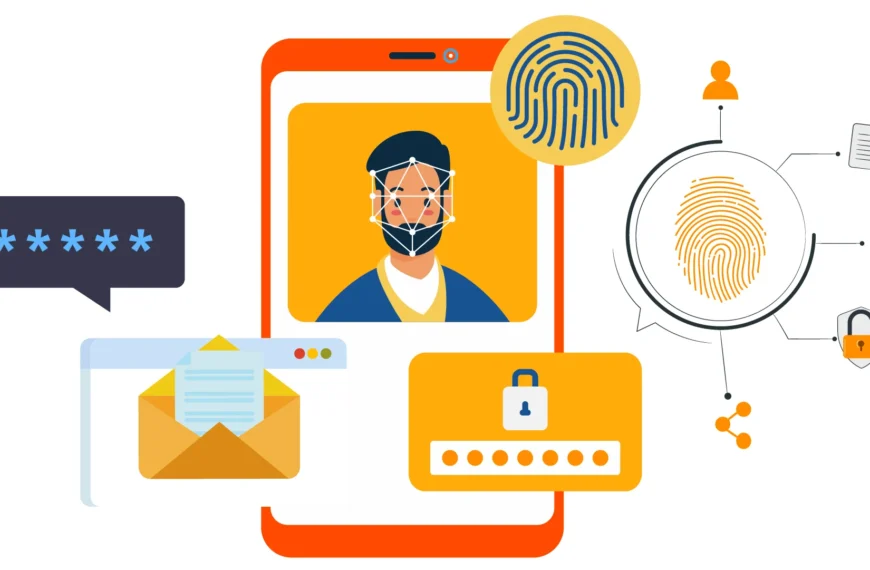
The OmniPulse Connectivity Vault presents a centralized framework for coordinating device communications across diverse networks. It emphasizes auditable transitions, multi-channel orchestration, and state snapshots to reduce bottlenecks. Security and privacy are claimed priorities, with role-based access and phased governance. The approach is methodical, not overly ambitious, and invites scrutiny of performance thresholds and deployment milestones. Yet questions remain about integration costs, real-world latency, and accountability mechanisms that could curb risk before broader adoption.
OmniPulse Connectivity Vault: What It Is and Why It Matters
The OmniPulse Connectivity Vault is a centralized data framework designed to securely orchestrate and track device communications across heterogeneous networks.
It presents an explicit omnipulse overview and a coherent connectivity strategy, yet remains scrutinized for potential bottlenecks and single points of failure.
Proponents tout freedom, while skeptics demand verifiable safeguards, transparency, and scalable governance before broad adoption.
How It Orchestrates Multi-Channel Connectivity Across Numbers
How does the OmniPulse system coordinate multi-channel connectivity across numbers in a way that is both scalable and auditable? It implements multichannel orchestration through a centralized coordination layer, logging each transition, and enforcing deterministic routing rules. The connectivity vault stores state snapshots, enabling traceability without exposing sensitive paths.
Transparency remains skeptical, efficiency prioritized, ensuring auditable pathways while preserving essential operational freedom.
The Security and Privacy Layers Protecting Your Data
The security and privacy layers are designed to shield data across the OmniPulse network without compromising operational clarity. They function as independent checks, not guarantees, and require continual verification.
Privacy safeguards are documented, auditable, and layered, while access controls restrict exposure by role and need.
Skeptical evaluation highlights potential gaps, urging iterative strengthening, transparent governance, and user-empowered autonomy.
Practical Use Cases and Next Steps for Implementation
Practical use cases for OmniPulse connectivity are mapped against concrete workflows, identifying where real-time data streams, edge processing, and secure access converge to deliver measurable value.
The assessment remains cautious: benefits depend on disciplined deployment, governance, and interoperability.
Implementation steps emphasize phased pilots, failure modes, and measurable metrics.
Response one weighs risks; response two outlines concrete milestones, timelines, and performance thresholds for freedom-friendly adoption.
Frequently Asked Questions
How Is Omnipulse Connectivity Vault Licensed or Priced for Enterprises?
OmniPulse Connectivity Vault employs licensing models with tiered pricing, enabling enterprises to choose pricing tiers aligned to usage and deployment scale; skepticism remains about hidden costs, but frameworks emphasize predictable licensing models and transparent, scalable pricing.
Can Ongoing Support Be Customized by Industry or Region?
Customization scope and regional adaptations can be offered, but cautiously. The system supports configurable parameters, yet ongoing support remains bounded by policy constraints; enterprises may negotiate, yet benefits must be weighed against standardized capabilities and risk considerations.
What Is the Roadmap for Future Protocol Integrations?
The roadmap for future protocol introduces planned roadmap integrations with cautious licensing pricing consideration, while enterprise support and customization by industry, regional support, data residency, exclusions, rollback mechanics, failed handoffs, and clear criteria for rollback and licensing.
How Does Rollback Work During Failed Multi-Channel Handoffs?
Rollback mechanisms handle failed multi-channel handoffs by aborting partial transitions, preserving original state, and reverting buffers and states system-wide; however, skepticism remains about guarantees, timing, and potential data divergence across channels. Freedom-minded readers should demand verifiable rollback proofs.
Are There Any Hidden Data Residency Requirements or Exclusions?
There are no explicit hidden data residency exclusions; however, data sovereignty concerns and regional confinement implications must be assessed. The system remains skeptical of blanket assurances, recommending careful mapping of jurisdictions and ongoing compliance verification.
Conclusion
The OmniPulse Connectivity Vault promises orchestration across diverse networks with auditable transitions and transparent governance. Yet its effectiveness hinges on rigorous enforcement of access controls and verifiable state snapshots. Skeptics will demand concrete performance thresholds and disruption-free failovers before wholehearted adoption. As implementation unfolds through phased milestones, readers should monitor for measurable gains in reliability and privacy. Until those metrics mature, the system remains a promising blueprint rather than a guaranteed solution, its ultimate value lingering behind guarded gates.