Smart mobility technology trends are fundamentally altering urban transportation landscapes. The integration of electric vehicles is largely influenced by evolving battery technologies and enhanced charging networks. Concurrently, ride-sharing innovations are refining user experiences through dynamic pricing models and tailored services. Autonomous transportation is making strides with advanced sensor fusion techniques. Meanwhile, smart traffic management systems are harnessing real-time data to streamline traffic flow. These developments prompt a closer examination of their broader implications on urban infrastructure and commuter behavior.
The Rise of Electric Vehicles
As the global focus on sustainability intensifies, the rise of electric vehicles (EVs) has emerged as a pivotal trend in smart mobility technology.
Advances in battery technology have significantly enhanced energy efficiency and range, while the expansion of charging infrastructure addresses consumer concerns regarding accessibility.
Together, these developments empower individuals to embrace eco-friendly transportation options, fostering a new era of mobility that champions freedom and sustainability.
Innovations in Ride-Sharing Platforms
While many traditional transportation models struggle to adapt to changing consumer demands, innovations in ride-sharing platforms have fundamentally transformed urban mobility.
Enhanced dynamic pricing algorithms maximize efficiency, enabling users to enjoy cost-effective rides while managing demand fluctuations.
Additionally, these platforms prioritize user experience through intuitive interfaces and personalized services, fostering a sense of autonomy and convenience that resonates with the modern commuter’s desire for freedom.
See also: Security Challenges in Software Technology
Advancements in Autonomous Transportation
How are advancements in autonomous transportation shaping the future of urban mobility?
By integrating sensor fusion and machine learning, vehicles can perceive their environment with unprecedented accuracy, enhancing safety and efficiency.
This technology enables real-time decision-making and adaptive navigation, ultimately allowing for a seamless flow of transport.
As these systems evolve, they promise to liberate individuals from traditional commuting constraints, fostering greater mobility freedom.
Smart Traffic Management Systems
The evolution of autonomous transportation necessitates the development of sophisticated smart traffic management systems to optimize urban mobility.
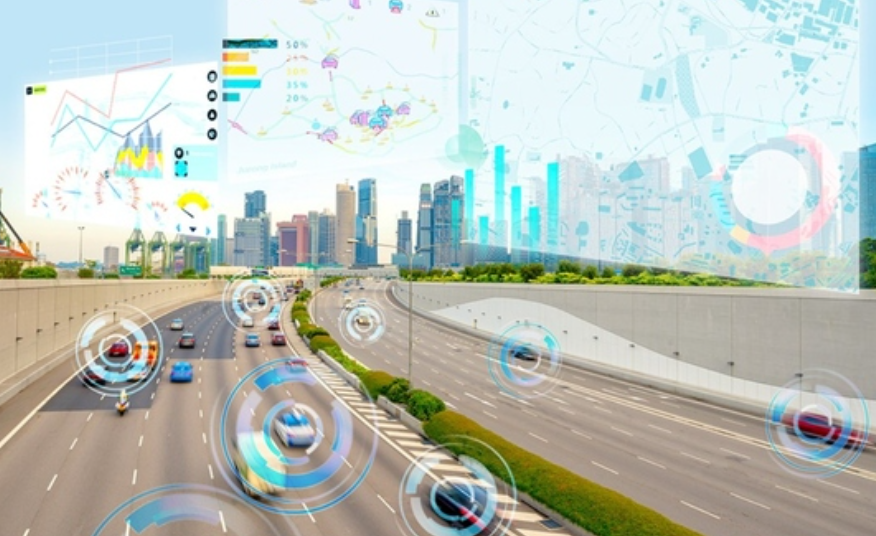
These systems leverage real-time data to enhance traffic flow optimization, enabling dynamic responses to changing conditions.
By integrating vehicle-to-infrastructure communication, they facilitate efficient routing and congestion mitigation.
Ultimately, such innovations empower cities to embrace a more liberated, responsive approach to modern transportation challenges.
Conclusion
In an era where urban landscapes are increasingly intertwined with technology, the convergence of electric vehicles, innovative ride-sharing platforms, autonomous transportation, and smart traffic management systems paints a promising future for smart mobility. Coincidentally, as cities grapple with congestion and environmental concerns, these advancements not only address such challenges but also enhance commuter experiences. Thus, urban mobility is poised for a transformative leap, ushering in an era of sustainable and efficient transportation solutions that resonate with the needs of modern society.