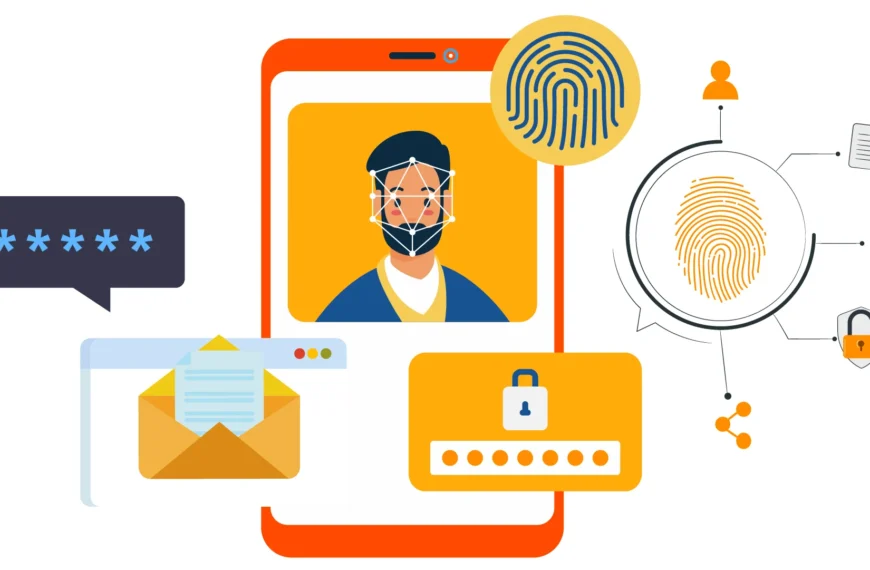
The Network Data Integrity Register consolidates lineage, metadata, and deterministic mappings for multiple data streams. It enables automated integrity checks and traceable provenance across distributed systems. The framework supports scalable governance, verifiable audits, and standardized compliance controls. By binding identifiers to end-to-end integrity workflows, it reveals gaps and risks methodically. Operators are left with questions about implementation specifics, interoperability, and enforcement mechanisms that determine practical effectiveness across environments.
What Is the Network Data Integrity Register?
The Network Data Integrity Register is a centralized ledger that records the state and history of data across networked systems, enabling verifiable integrity checks and auditability. It emphasizes precision, scalability, and automation.
For freedom-minded audiences, it clarifies network security and data provenance, presenting a trustworthy framework that supports automated validation, traceable provenance, and resilient, auditable data workflows across distributed environments.
How the Identifiers Map to Data Streams and Integrity Checks
Identifiers in the Network Data Integrity Register are mapped to data streams through a deterministic schema that binds each identifier to a specific stream lineage, metadata, and integrity checks.
The mapping enables scalable automation, minimizing human intervention.
identifiers mapping ensures traceable provenance, while data streams integrity guarantees end-to-end verification, error detection, and consistent lineage across systems, enabling resilient, freedom-oriented governance with precise operational clarity.
Practical Uses: Verification, Compliance, and Trust in Networks
Leveraging the Network Data Integrity Register enables automated verification, standardized compliance, and trusted network operation by providing verifiable, end-to-end provenance for data streams. The framework supports scalable audit trails, rapid integrity checks, and decoupled policy enforcement, fostering interoperability across ecosystems.
Discussion ideas: data streams, integrity checks; ensures reproducible results, auditable provenance, and freedom to innovate within governed boundaries.
Pitfalls, Standards, and Best Practices for Maintaining Integrity
Pitfalls, Standards, and Best Practices for Maintaining Integrity: navigating potential failure modes—such as clock drift, out-of-band tampering, and inadequate key management—requires explicit, scalable controls, automated verification, and codified guidance.
The approach emphasizes data protocols, robust audit trails, and a persistent data integrity register.
Freedom-minded teams implement modular, interoperable standards, continuous testing, and transparent documentation to sustain trust without imposing rigidity.
Precision fosters scalable autonomy.
Frequently Asked Questions
How Are Data Breach Incidents Detected by the Network Data Integrity Register?
The register detects breaches via automated anomaly analytics, real-time integrity checks, and cross-node reconciliation, enabling rapid containment. It supports data sovereignty considerations, reduces vendor lock-in, and scales governance across distributed environments with precision and autonomy.
Who Has Access to Modify the Integrity Entries and Why?
Access to modify integrity entries is restricted to authorized administrators via robust access controls and change management, ensuring traceable, automated approvals; this mitigates risk while preserving freedom to operate within secure, scalable governance boundaries.
How Often Is the Integrity Data Refreshed Across Streams?
The data refresh cadence is defined per stream by automated integrity monitoring, triggering synchronized refresh cycles at configurable intervals to ensure consistency. This scalable approach prioritizes precision, automation, and freedom in monitoring heterogeneous data flows across systems.
Can IP Addresses Be Correlated With Specific Data Streams?
Can IP addresses be correlated with specific data streams? IPs correlation is possible under controlled logging, enabling mapping of IPs to Data streams while preserving privacy, enabling scalable, automated analyses in a precision-oriented, freedom-respecting network environment.
What Sla or Uptime Guarantees Exist for Register Availability?
Uptime guarantees for the register are defined by service-level metrics, emphasizing continuous availability, automated monitoring, and rapid remediation; data freshness is validated through timely synchronization, with scalable, autonomous processes ensuring consistency and minimal latency across all data streams.
Conclusion
The Network Data Integrity Register stands as a precision engine, turning scattered signals into a scalable, auditable lattice. Its deterministic identifiers braid data streams with immutable provenance, enabling automated governance and verifiable integrity at scale. As networks grow, the ledger’s rhythm accelerates, syncing checksums with governance rules and shortening audit cycles. Yet discipline remains essential: standardized metadata, rigorous access controls, and predictive monitoring ensure the flow stays transparent, resilient, and trustworthy in an ever-evolving landscape.