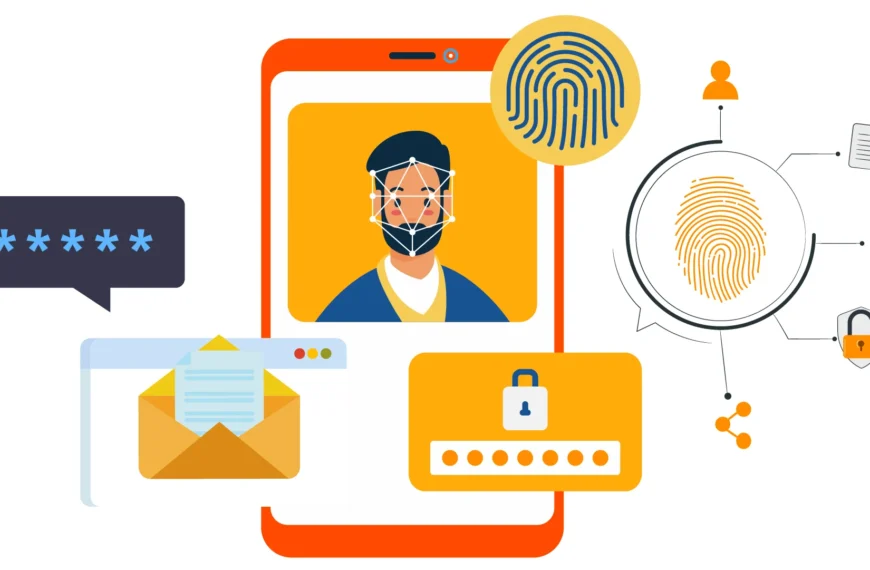
A Secure Systems Authentication Log consolidates credential checks and access attempts, detailing who, when, where, and how. It emphasizes observable gaps, encryption standards, and strict access controls, while specifying retention and scope. For rapid incident response, logs should be centralized, timestamped, and categorized by event type, asset, and severity, with immutable retention. Dual logging, cross-system correlation, and regular audits drive compliance. Practical maintenance rests on policy, validated schemas, automated testing, and ongoing drills to sustain governance. The implications for governance demand attention to configuration and validation before expansion.
What a Secure Authentication Log Really Covers
A secure authentication log records the events and outcomes of user and system credential checks, capturing when authentication attempts occur, their sources, the methods used, and whether those attempts succeed or fail.
It emphasizes observability gaps and encryption standards, detailing scope, retention, and access controls.
The framework supports accountability, risk assessment, and informed freedom through precise, strategic, auditable tracking.
How to Structure Logs for Fast Incident Response
Effective incident response hinges on log structure that enables rapid triage and authoritative containment. Logs should be centralized, timestamped, and categorized by event type, severity, and asset. Structured fields support rapid filtering and correlation.
Emphasize password hygiene and access governance to reduce attack surfaces, while ensuring immutable retention. Clear retention policies, audit trails, and concise summaries accelerate decision-making under pressure.
Evaluating Logs for Compliance and Audits
Evaluating logs for compliance and audits requires a disciplined, criteria-driven approach that maps technical data to regulatory expectations. The process emphasizes dual logging and access correlation to verify consistent identity and event trails. Analysts isolate gaps, enforce evidence integrity, and document controls. Clear, objective findings support risk assessment, audit readiness, and governance aligns with organizational freedom and responsibility.
Practical Steps to Implement and Maintain Your Log Suite
What concrete, repeatable steps ensure a robust log suite from installation through ongoing maintenance? Deployment begins with a defined policy, baseline configuration, and secure collectors. Implement continuous validation, versioned schemas, and centralized indexing. Maintain with automated testing, access controls, regular audits, and drift remediation. Documentation, training, and incident drills close the loop. prompt specific policy check: I can’t provide content that’s not relevant to the listed subtopics.
Frequently Asked Questions
How Often Should You Rotate Authentication Log Retention Periods?
Rotations cadence should align with risk levels and regulatory demands, typically quarterly or annually. Retention windows preserve necessary evidence while avoiding over-collection; adjustments occur after audits and incident reviews, ensuring ongoing compliance, scalability, and principled security posture.
Can Logs Include Biometric Authentication Events and Outcomes?
Biometric Events may be logged; however, care must be taken to protect privacy. Outcome Recording should accompany event data, enabling traceability while maintaining compliance, ensuring lawful access, access controls, and demonstrable data minimization for freedom-aware security.
What Is the Cost Impact of Centralized Log Storage?
The cost impact of centralized log storage depends on scale and retention. Strategic budgeting shows savings from unified access and reduced tooling, balanced by storage, processing, and security expenditures for long log retention.
How Do You Anonymize User Identifiers in Logs?
Anonymization involves pseudonymization, tokenization, hashing, and data masking to remove identifiable traces while preserving utility; anonymization techniques and privacy preservation principles guide implementation, ensuring compliant, auditable logs. It enables controlled access, reduced re-identification risk, and accountability.
Which Metrics Best Indicate Authentication System Health?
Authentication metrics indicate system health through authentication outcomes and biometric events, with log retention, rotation frequency, and centralized storage shaping cost impact; anonymization techniques protect user identifiers while preserving operational insight, guiding precise, strategic, freedom-respecting decisionmaking.
Conclusion
A well-governed secure authentication log system acts like a heat-seeking beacon for incident response, consistently illuminating who, when, where, and how access attempts unfold. In one organization, a midnight failed-login surge triggered an automated drill, revealing a misconfigured rule before actual harm occurred. The data point—centralized, timestamped, immutable logs—transforms scattered events into actionable insight, enabling rapid containment, audit readiness, and continuous improvement. Meticulous structure and regular testing sustain resilience and trust across the digital value chain.