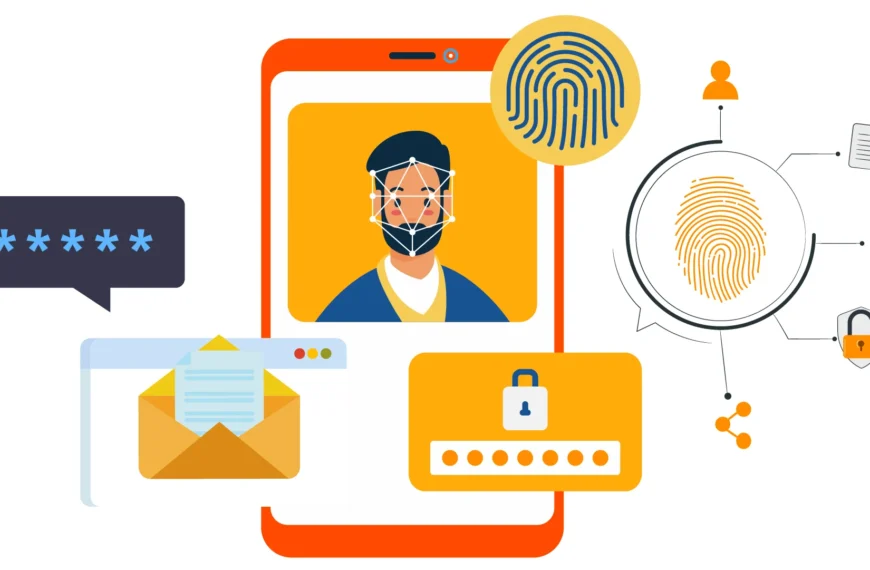
The unified security compliance record consolidates policies, controls, and evidence into a single auditable artifact. It defines governance roles, control scopes, and cross-reference mappings for traceability. Automated checks, dashboards, and data-driven metrics support ongoing validation. Emphasis is placed on data governance, structured pipelines, and cross-functional collaboration to sustain consistent compliance outcomes. The approach invites scrutiny of handoffs and domain-wide coordination, offering a clear path forward while signaling questions that warrant closer examination.
What Is a Unified Security Compliance Record
A Unified Security Compliance Record is a centralized documentation framework that consolidates an organization’s security policies, controls, and evidence of compliance into a single, auditable artifact.
The record enables Security Governance by detailing roles, responsibilities, and control scopes.
It also tracks Compliance Metrics, presenting measurable indicators for ongoing assurance, audits, and continuous improvement with disciplined, transparent clarity.
How to Map Controls Across 18008818869, 18889641338, 9015160925, 2162734654, 7043971000
To map controls across identifiers 18008818869, 18889641338, 9015160925, 2162734654, and 7043971000, the process begins with cataloging each control’s objective, scope, and applicable framework mappings, followed by establishing a common control taxonomy that enables direct cross-referencing.
The method emphasizes control mapping and audit integration, ensuring transparent traceability, consistent interpretation, and scalable alignment across disparate compliance ecosystems.
Building Automated Checks and Dashboards for Ongoing Adherence
Building automated checks and dashboards for ongoing adherence follows from the consolidated control mappings by establishing repeatable, data-driven validation processes. The approach emphasizes data governance fundamentals, with structured pipelines, reproducible metrics, and auditable histories. Dashboards translate risk scoring into actionable insights, enabling timely interventions while preserving autonomy and freedom through transparent, objective, and repeatable assessment criteria.
Practical Steps for Implementation Across Domains and Partners
Practical steps for implementation across domains and partners demand a disciplined, cross-functional approach that harmonizes governance, technical controls, and collaborative workflows. The framework assigns explicit data governance roles, aligning policy, data integrity, and access management with risk ownership across organizations. Procedure emphasizes documented decision rights, continuous validation, and auditable handoffs, ensuring consistent compliance outcomes while preserving operational autonomy.
Frequently Asked Questions
How Is Data Ownership Handled Across Multiple Numbers in the Record?
Data ownership across multiple numbers is governed by centralized data governance policies and formalized ownership roles; access control mechanisms enforce permissions, while provenance tracking and stewardship assignments ensure accountability, transparency, and consistent rights across all records.
What Privacy Safeguards Apply to Cross-Domain Compliance Data?
Cross-domain privacy safeguards govern data ownership across multi-number ecosystems, enabling access revocation and cross partner controls. A 42% increase in real time audits reflects rigorous unified reporting, while industry nuances demand careful handling of deprecated partners and cross domain data ownership.
Can Audits Register Violations in Real Time Across Partners?
Audits can register real time violations across partners, enabling cross domain audits to flag noncompliance instantaneously; however, execution depends on interoperable schemas, trusted data feeds, and formalized escalation workflows ensuring transparent, timely remediation across all domains.
Are There Industry-Specific Nuances in Unified Compliance Reporting?
Industry-specific nuances exist in unified compliance reporting, guiding the structuring of data and controls. The approach leverages a compliance taxonomy and audit automation to accommodate sector frameworks while preserving flexibility for freedom-focused organizations.
How Do You Revoke Access for Deprecated Partners or Domains?
They revoke access for deprecated partners by disabling tokens, revoking credentials, and isolating sessions, ensuring cross domain ownership and privacy safeguards. Real time audits monitor cross partner violations, addressing industry nuances within unified reporting for freedom-minded stakeholders.
Conclusion
A unified security compliance record centralizes policy, control, and evidence, clarifying ownership, scope, and accountability. It standardizes mappings, automates checks, and drives dashboards, enabling transparent traceability across domains. It harmonizes data governance with structured pipelines, ensuring continuous validation and auditable handoffs. It aligns partners and internal teams through shared nomenclature and repeatable processes. It delivers measurable compliance outcomes, repeatable results, and auditable confidence. It fosters disciplined collaboration, disciplined execution, and disciplined improvement.