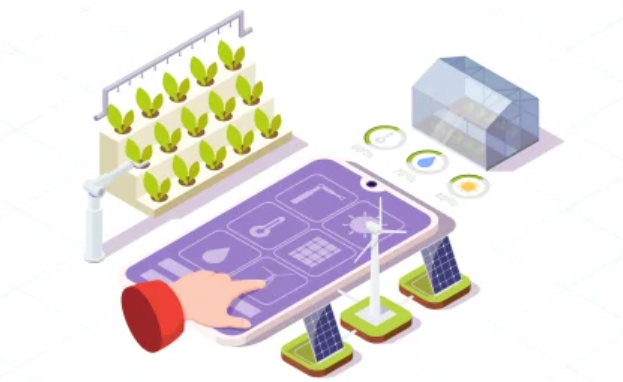
Smart technologies for environmental monitoring represent a significant advancement in the methodical assessment of ecological conditions. By utilizing advanced sensors, artificial intelligence, and remote sensing, these technologies provide precise and timely data on various environmental factors. This integration allows for improved analysis and forecasting of changes in air quality, water conditions, and biodiversity. However, the implications of these innovations extend beyond mere data collection, raising questions about their impact on sustainable resource management and community collaboration.
Advanced Sensor Technologies
Advanced sensor technologies represent a pivotal innovation in the realm of environmental monitoring.
These advanced sensor applications enhance environmental data accuracy, allowing for real-time assessment of various ecological parameters. By deploying sophisticated sensors, organizations can capture precise measurements related to air quality, water conditions, and biodiversity.
This heightened level of monitoring fosters informed decision-making, empowering individuals and communities to advocate for sustainable practices and environmental stewardship.
AI and Data Analytics in Environmental Monitoring
The integration of AI and data analytics into environmental monitoring significantly enhances the capabilities established by advanced sensor technologies.
Machine learning applications enable the analysis of vast datasets, identifying patterns and correlations that inform environmental decision-making.
Furthermore, predictive analytics allows for forecasting environmental changes, empowering stakeholders to implement proactive measures.
This synergy fosters a more sustainable approach to managing natural resources and mitigating environmental impacts.
See also: Smart Mobility Technology Trends
Remote Sensing and Satellite Imagery
Numerous applications of remote sensing and satellite imagery have transformed the landscape of environmental monitoring.
These technologies enable the observation of land cover changes and provide critical data for assessing climate change impacts.
Smart Water Management Systems
Innovations in technology have paved the way for the implementation of smart water management systems, which play a vital role in addressing water scarcity and enhancing resource efficiency.
These systems utilize smart irrigation techniques to optimize water usage and incorporate advanced pollution detection mechanisms that identify contaminants in real-time.
This dual approach supports sustainable practices, empowering communities to manage their water resources more effectively.
Conclusion
In conclusion, the integration of smart technologies for environmental monitoring is not merely innovative; it is essential for sustainable management of our planet’s resources. A staggering 90% of the world’s freshwater supply is at risk due to pollution and over-extraction, underscoring the urgent need for advanced monitoring systems. By harnessing the power of sensors, AI, and remote sensing, stakeholders can better understand and address these critical challenges, ultimately fostering a healthier, more resilient environment for future generations.